
South Africa’s unemployment crisis continues to draw global attention, especially following key G20 discussions. With unemployment sitting near 33% and youth unemployment surpassing 60% in some provinces, the need for structural solutions has never been greater. Mqhele Wethu Trading & Projects (MQT) participates directly in this national challenge by expanding workforce access, skills development, and small-business opportunities across KwaZulu-Natal.
G20 Findings: Why Employment in South Africa Remains Under Pressure
The G20 summit emphasised that South Africa’s labour market challenges are structural, not temporary. Delegates highlighted persistent factors affecting national employment trends:
Real Factors Contributing to High Unemployment
- Skills mismatch: Young people are entering the labour market with qualifications that do not match industry demands.
- Slow infrastructure rollout: Delayed projects directly reduce job creation in construction and related sectors.
- Limited small-business participation: Emerging contractors struggle to access tools, compliance systems, and market opportunities.
- Urban-rural divide: Youth outside major city centres have fewer training and employment channels.
- Technology disruption: Some labour-intensive roles are being replaced without parallel investment in new-economy skills.
These factors create a cycle where millions of young South Africans remain locked out of the formal economy. The G20 communiqué highlighted the importance of labour-intensive industries—especially construction—as part of the response framework.
Proudly supported by Izwe Youth Foundation – Empowering young entrepreneurs across South Africa

Construction as a National Employment Engine
Construction remains one of the few sectors capable of rapidly absorbing youth, semi-skilled and low-skilled workers. MQT continues to structure its operations to create opportunities wherever possible.
Where Jobs Come From in Construction
Employment Layers Within the Sector
- Entry-Level: General labour, material handling, cleaning teams, landscaping assistants.
- Skilled Trades: Bricklaying, paving, electrical installation assistants, painters, steel fixers.
- Technical Roles: Safety officers, survey assistants, machine operators, QA staff.
- Professional Services: Engineers, planners, project administrators, site managers.
- Support Services: Transport, catering, supply chain support, documentation teams.
MQT's Youth Skills Development Approach
To address the skills gap highlighted in G20 discussions, MQT invests in structured on-site training. Young workers are given exposure to real project environments and graduate into higher-responsibility roles. This practical method improves employability and strengthens the industry's capacity.
- On-site skills transfer through experienced supervisors.
- Safety and compliance training for young workers entering construction sites.
- Rotational task exposure to help youth discover their strengths.
- Support toward formal accreditation through partner institutions.
The aim is simple: give young South Africans real, practical work experience that translates into long-term opportunities.
Building South Africa's Future, One Job at a Time
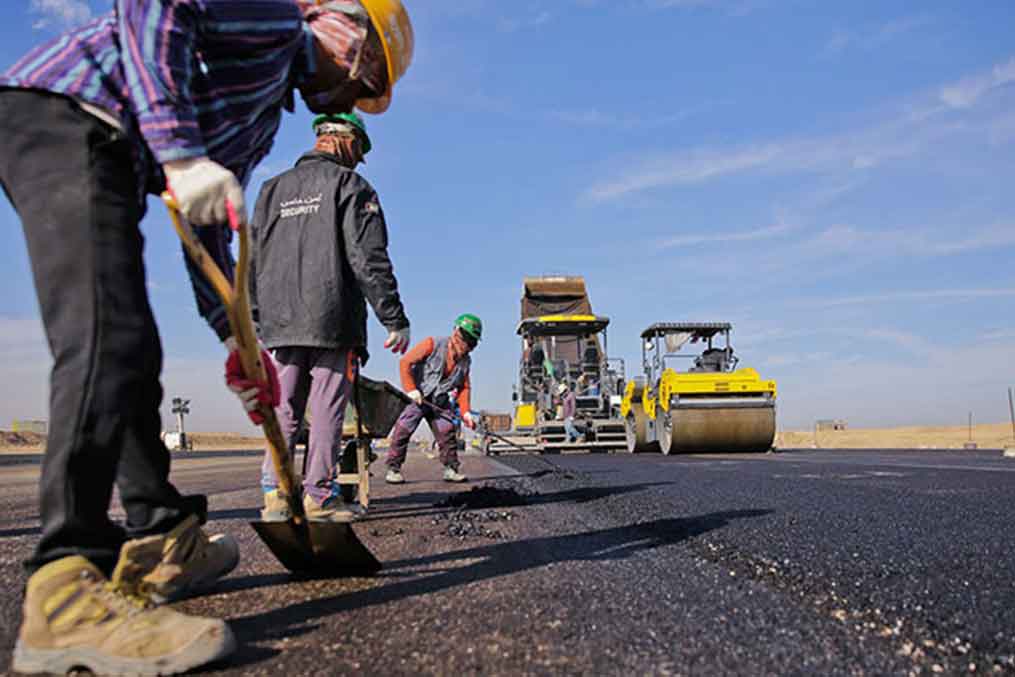
Infrastructure projects build more than structures—they build pathways for youth participation in the economy.
Youth Empowerment: Expanding Access to Tools, Branding & Business Readiness
South Africa’s youth unemployment crisis requires coordinated efforts. While MQT creates work opportunities directly within its projects, young entrepreneurs also need business-readiness support. Organisations within the ecosystem—such as Izwe Youth Foundation—help fill that gap by offering branding, bookkeeping support, compliance assistance, and guidance for emerging contractors.
This ensures young professionals are better positioned to participate in supply chains, tender processes, and subcontracting opportunities without being excluded by administrative or financial barriers.
Key Youth Development Support Services
Branding & Professional Identity
Helping youth-owned businesses present themselves professionally, improving contracting opportunities.
Financial Record Support
Basic bookkeeping and financial systems that support growth and compliance.
Compliance Guidance
Support with certifications, documentation, and tender readiness.
Tools & Equipment Access
Helping young contractors access essential tools needed for construction work.
These combined efforts—public sector, private companies, and youth-focused organisations—help reduce barriers that keep young people out of the mainstream economy.
Partner with Purpose
Supporting youth-led organisations strengthens local economies and expands job creation opportunities.
Support Youth DevelopmentEmployment Reality: What South Africa Must Do Next
South Africa cannot reduce unemployment without coordinated intervention. G20 leaders urged emerging economies—especially South Africa—to increase labour-absorbing projects, accelerate infrastructure pipelines, and widen access for small businesses. For the construction industry, this means:
- Ensuring public projects prioritise local labour.
- Allowing youth-driven SMEs to access subcontracting opportunities.
- Expanding training and mentorship programmes across provinces.
- Reducing administrative barriers for small contracting firms.
MQT consistently applies these principles in its KwaZulu-Natal projects, creating employment pathways and supporting emerging suppliers. These actions align directly with the national need for inclusive economic growth.
Weather data powered by Open-Meteo | Community support by Izwe Youth Foundation
Policy Recommendations for Sustainable Job Creation
- Accelerate labour-intensive public infrastructure projects.
- Set mandatory SME participation quotas for government contracts.
- Expand youth business readiness support nationwide.
- Reduce compliance costs for early-stage contractors.
- Improve digital systems for tender access and transparency.
- Encourage mentorship programmes between established contractors and youth-owned firms.
Building a More Inclusive Economic Future
South Africa’s unemployment crisis is one of the most urgent challenges discussed at the G20. But behind these statistics are millions of young people seeking a fair opportunity. Construction—one of the most labour-absorbing industries—remains central to addressing this crisis.
MQT continues to contribute through employment creation, skills development, and ecosystem partnerships that support young entrepreneurs. By combining these efforts with national policy reforms and wider youth support initiatives, South Africa can build a more inclusive and resilient economy.
Every project completed, every skill transferred, and every young person supported represents meaningful progress toward a stronger future.